Introduction
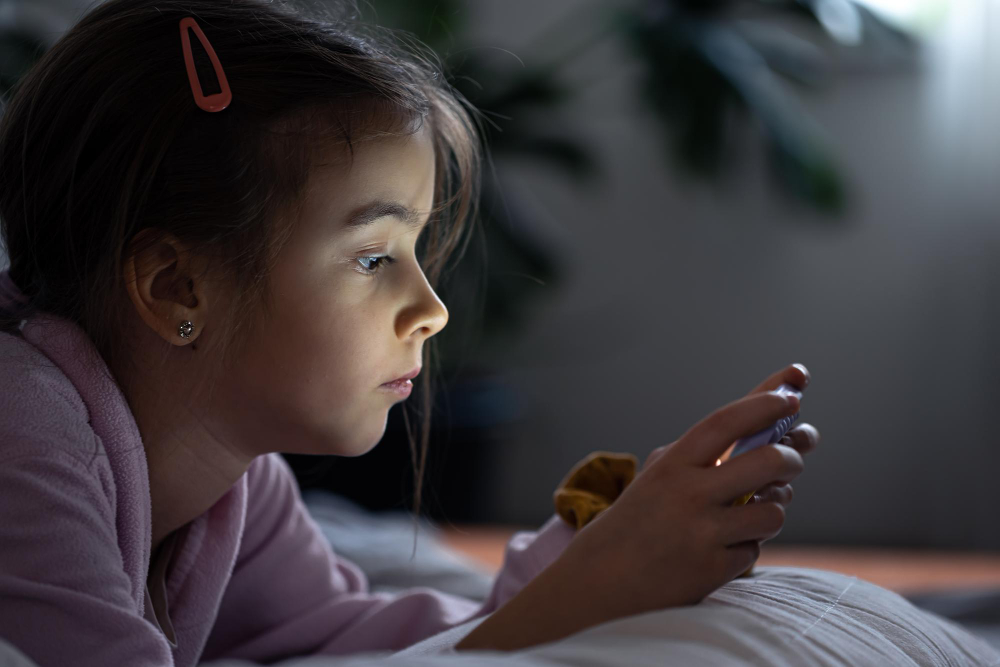
Many people wonder if too much screen time can cause myopia, also known as nearsightedness. Myopia is a common eye problem where distant objects look blurry. At the same time, screen time refers to the hours spent using digital devices like phones, tablets, and computers. Recently, experts have started to explore the possible connection between screen time and myopia. In this blog, we will look at what myopia is, how screen time affects our eyes, and what you can do to protect your vision.
What is Myopia?
Myopia is a condition where you can see things up close, but things far away look blurry. It happens when the eyeball grows too long, or the cornea (the clear front part of the eye) is too curved. Because of this, light focuses in front of the retina instead of on it. Myopia often starts in childhood and can get worse as you grow. However, it can also develop in adults. Myopia is now more common worldwide, especially in cities.
Understanding Screen Time
Screen time means the total hours spent looking at digital screens. This includes watching TV, using smartphones, playing video games, or working on computers. In recent years, both children and adults are spending more time on screens. For example, many students use tablets for schoolwork, and adults often work on computers all day. As a result, concerns about digital eye strain and eye health have grown.
Is There a Link Between Screen Time and Myopia?
Many studies suggest a possible link between increased screen time and myopia. For instance, the World Health Organization (WHO) notes that myopia rates are rising, especially in urban areas. One reason may be that people spend less time outdoors and more time on screens. When you focus on close objects for long periods, your eyes may adapt to near work, which can increase myopia risk. However, experts also say that not just screens, but any close-up work, like reading, can play a role. Still, using screens for long hours may make the problem worse, especially in children.
Symptoms and Early Signs of Myopia
It is important to spot myopia early. Common signs include:
If you notice these signs, especially in children, it is wise to get an eye checkup soon.
Diagnosis and When to See an Eye Specialist
Early diagnosis helps prevent myopia from getting worse. Eye specialists use simple tests to check your vision. They may ask you to read letters on a chart or use special tools to measure your eyes. If you or your child has trouble seeing far away, or if you notice any symptoms, it is best to visit an eye doctor. Regular eye exams are important, even if you do not have symptoms. This is because some eye problems can develop slowly.
Prevention and Lifestyle Tips
While you may not be able to prevent myopia completely, you can take steps to protect your eyes. Here are some helpful tips:
By making these small changes, you can help protect your vision and reduce digital eye strain.
Current Research and Expert Opinions
Recent research supports the idea that more screen time may increase myopia risk, especially in children. For example, a study in the journal Ophthalmology found that children who spend less time outdoors and more time on screens are more likely to develop myopia. The American Academy of Ophthalmology also recommends regular breaks from screens and more outdoor play. However, experts agree that more research is needed to fully understand the link. Still, most agree that balancing screen time and outdoor activities is good for eye health.
Conclusion
In summary, excessive screen time may contribute to the increasing risk of myopia, especially in children. Encouraging outdoor activities, taking regular screen breaks, and getting timely eye check-ups can help protect vision. Consult Dr. Sheeraz Hassan at Patna Eye Centre for personalized advice on myopia management and maintaining healthy eyesight.