Many parents may not realize that hidden eye diseases in children can affect vision without obvious signs. These conditions often develop quietly, making early detection important. Because children may not complain about vision problems, childhood eye screening is essential. Early detection of eye problems can prevent long-term vision loss and support healthy growth. In this blog, we will explore common hidden eye diseases, warning signs, and why early screening is so important for pediatric eye health.
Common Hidden Eye Diseases in Children
Some eye diseases in children are hard to spot. However, they can still cause serious problems if left untreated. Here are some of the most common hidden eye diseases in children:
Why Early Eye Screening Matters
Early eye screening can make a big difference in a child’s life. When eye diseases are found early, treatment is often easier and more effective. For example, treating amblyopia before age seven gives the best chance for normal vision. On the other hand, delayed diagnosis can lead to permanent vision loss. In addition, early detection of eye problems helps children do better in school and daily life. Because vision is key for learning, preventing vision loss in children is very important.
Signs Parents Should Watch For
Sometimes, children cannot explain their vision problems. Therefore, parents should look for these warning signs of eye disease in kids:
How Eye Screening Works
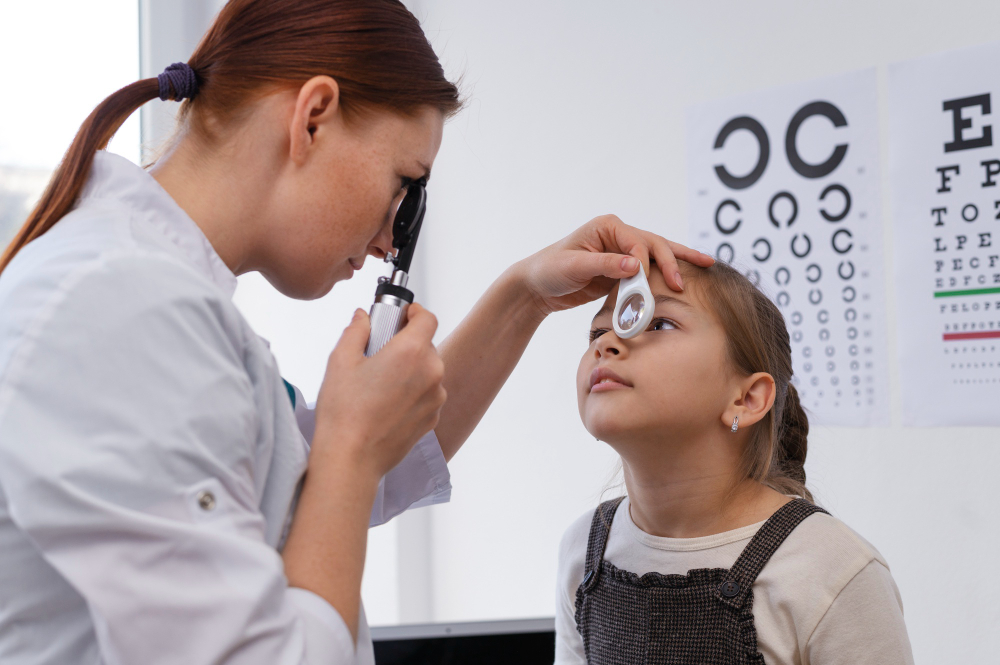
Eye screening for children is simple and safe. Usually, it starts with a basic vision test. The doctor may use pictures or letters to check how well your child sees. Sometimes, special tools help check eye alignment and health. Most experts, including the American Academy of Ophthalmology, recommend the first screening at birth. After that, regular checks should happen at ages 1, 3, and before starting school. During each visit, the doctor will look for signs of hidden eye diseases and discuss any concerns you may have.
Prevention and Eye Health Tips
While not all eye diseases can be prevented, parents can help protect their child’s vision. Here are some tips for good pediatric eye health:
When to Consult an Eye Specialist
If you notice any warning signs or if your child fails a vision screening, consult an eye specialist right away. Even if there are no symptoms, regular check-ups are important. Early visits help catch hidden eye diseases before they cause lasting problems. Remember, early detection of eye problems gives your child the best chance for healthy vision.
For personalized guidance on your child’s eye health, consult Sheeraz Hassan at Patna Eye Centre for a comprehensive eye evaluation and appropriate pediatric eye care. Early assessment can help protect your child’s vision and support healthy visual development.