What is Glaucoma?
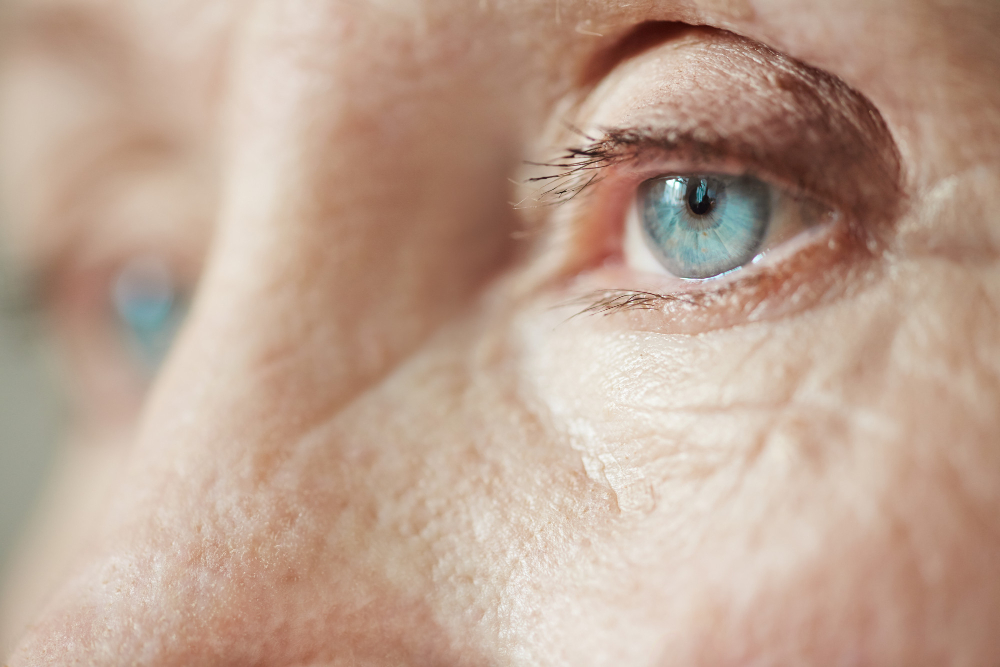
Glaucoma is a group of eye diseases that can damage the optic nerve. This nerve sends visual information from your eye to your brain. Often, glaucoma is linked to high eye pressure. However, it can also occur with normal pressure. Because it develops slowly, many people do not notice symptoms at first. As a result, glaucoma is a leading cause of vision loss worldwide. Regular eye exams are important for protecting your eye health and catching glaucoma early.
Why is Glaucoma Called the Silent Vision Threat?
Glaucoma is often called the “silent vision threat” because it usually has no early warning signs. In many cases, vision loss happens so slowly that people do not realize it. By the time symptoms appear, the damage is often permanent. For this reason, early glaucoma detection is key to preventing vision loss. Regular eye exams can help find glaucoma before it causes serious harm.
Common Symptoms and Risk Factors
Although glaucoma often starts without symptoms, some signs may appear as the disease progresses. Knowing the risk factors can also help you stay alert.
Several factors can increase your risk of glaucoma:
How is Glaucoma Diagnosed?
Early detection is possible with a simple eye exam. During the exam, your eye doctor will check your vision and look at the optic nerve. They may also measure your eye pressure using an eye pressure test, called tonometry. In addition, your doctor might test your side vision and examine the drainage angle inside your eye. These tests are painless and quick. Because glaucoma can develop without symptoms, regular eye exams are the best way to catch it early.
Treatment Options for Glaucoma
While there is no cure for glaucoma, treatment can help prevent further vision loss. Your doctor will choose the best option based on your needs. Common treatments include:
Because early treatment works best, it is important to follow your doctor’s advice and attend all follow-up visits.
Preventive Measures and Early Detection Tips
Although you cannot always prevent glaucoma, you can lower your risk and protect your vision. Here are some helpful tips:
Because glaucoma can be silent, early glaucoma detection is the best way to prevent vision loss.
Living with Glaucoma: Lifestyle Guidance
With the right care, many people with glaucoma live full lives. However, it is important to stay informed and follow your treatment plan. Here are some ways to manage glaucoma day-to-day:
Because support matters, consider joining a glaucoma support group for advice and encouragement.
Conclusion: Protect Your Vision with Early Action
In summary, glaucoma is a silent vision threat that can lead to permanent vision loss. However, early detection and treatment can help protect your sight. Therefore, schedule regular eye exams and consult an eye specialist Dr. Sheeraz Hassan for personalized advice. Your vision is precious—take steps today to keep it safe.