
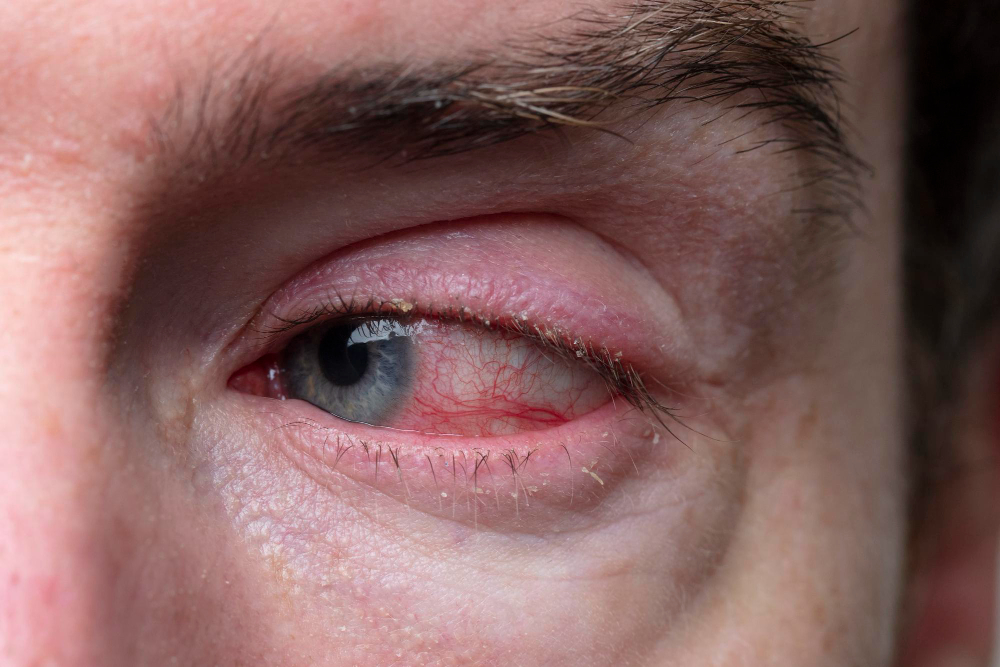
What is Blepharitis?
Blepharitis is a common condition that causes chronic eyelid inflammation. It affects people of all ages. Usually, blepharitis makes the edges of your eyelids red, swollen, and sometimes itchy. Because it is a long-lasting problem, it can come and go over time. In many cases, proper care and eyelid hygiene help control the symptoms. For those living in busy cities or dry climates, blepharitis care in your area may be especially important.
Common Symptoms of Blepharitis
Blepharitis symptoms can be mild or bothersome. Often, they affect both eyes at the same time. For example, you may notice:
Sometimes, these symptoms get worse in the morning. However, with regular eyelid hygiene, you can often reduce discomfort.
Causes and Risk Factors
Several things can cause blepharitis. Most often, it happens when tiny oil glands near your eyelashes get blocked. As a result, bacteria can grow and cause irritation. Other causes include:
Additionally, some people are more likely to get blepharitis. For instance, those with oily skin, allergies, or a family history of eye problems have a higher risk.
How Blepharitis is Diagnosed
Doctors usually diagnose blepharitis during an eye exam. First, your eye doctor will look closely at your eyelids and lashes. Sometimes, they may use a special light or magnifier. In rare cases, they might take a sample of the crust from your eyelid to check for bacteria or mites. Because symptoms can look like other eye problems, it is important to get a proper diagnosis from a trained professional.
Treatment Options for Blepharitis
Blepharitis treatment focuses on easing symptoms and keeping eyelids clean. While there is no cure, many people find relief with these steps:
Sometimes, your doctor may suggest other medicines or treatments. However, regular eyelid hygiene is the most important part of care.
Daily Eyelid Hygiene and Lifestyle Tips
Good eyelid hygiene can help control blepharitis symptoms. Even though it may seem simple, daily care makes a big difference. Try these tips:
In addition, keeping your environment clean can help prevent flare-ups. For those with allergies, reducing dust and pet dander may also help.
Preventing Blepharitis Flare-Ups
Although blepharitis is a chronic eyelid inflammation, you can lower the chance of flare-ups. For example, stick to a daily eyelid cleaning routine. Also, avoid sharing eye makeup or towels with others. If you wear contact lenses, always follow cleaning instructions. Furthermore, see your eye doctor for regular check-ups. Early care can stop symptoms from getting worse. In some cases, your doctor may suggest special eyelid scrubs or medicines to keep your eyes healthy.
Conclusion
If you have ongoing eyelid discomfort or notice changes in your eyes, Dr. Sheeraz Hassan is here to help. Schedule a consultation today to get expert advice and support for your eye health.